
Should the child’s stuff be allowed to travel between both parents homes?
At the breakdown of a relationship, parents establish their own households separate and apart from their former spouse. The children then travel between both households to spend time with each parent. Sometimes parents are unable to agree on whether or not the child should be allowed to bring their possessions with them to the other parents house.
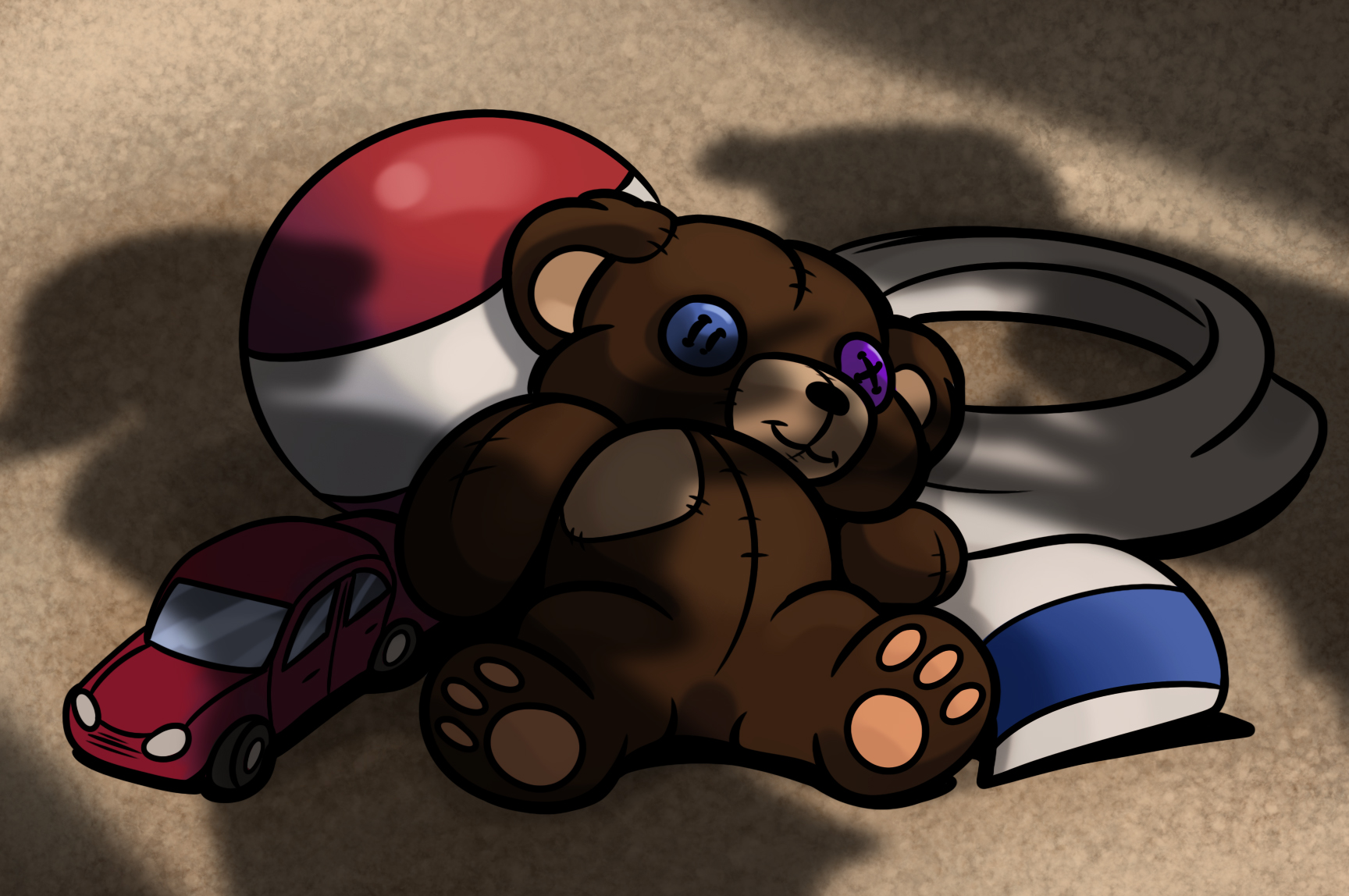
Some parents want the items that they purchase to only be enjoyed by the child at their house. The parent claims that if the item goes to the other parents house, the item may remain at that location and never return back to their home with the child. The parent demands for the other parent to purchase their own items for the child to be used at their own household. This is reasonable for routine items such as toothbrushes or other hygiene products, but it is unreasonable to withhold items such as toys or other comfort items.
The main problem with withholding toys or other comfort items is that it fails to consider the childs ownership of their possessions.
The parent that purchased the items is acting as though the childs belongings belong to them. The child is taught to distinguish between items that belong at moms house or dads house. The child does not have full ownership their stuff.
Case study #1: The child makes statements such as I wish I could use my [item] here but [parent] said its for [his/her] house only. The child is left voiceless beyond these comments. In an effort to advocate for the child, the parent asks the other parent for permission to bring the items, but the requests are refused or ignored.
Case study #2: The parents refuse to allow the children to wear their winter jackets, boots, and other winter gear to force the other parent to purchase new items for their household. The children are forced to walk to the other parents vehicle or home in the middle of winter without a jacket or anything else to keep warm. The children are subjected to this poor treatment over a parental dispute over the ownership of the childrens possessions.
Reasonable parents are able to identify that once an item is given to the child, the child should be able to decide how, when and where the child enjoys the item. The parents acknowledge that the child may forget or may decide to leave their stuff at the other parents home. These parents are able to acknowledge that the child has ownership of their stuff and should be free to make these decisions. If an item is accidentally left behind, the child will be able to use it the next time they see the other parent. If the child wants or needs an item sooner, both parents should be able to arrangement to exchange the item sooner at a mutually agreeable time.
Children are powerless when it comes to the end of their parents relationship. It is unfortunate that some parents further leave their child voiceless over the use of their own property. If you are in a similar situation, do your part to give your child a voice. Give your child the ability to make decisions on where and when they enjoy their belongings even if the other parent is being unreasonable. If you are in a similar situation, our team can help.